Small Business Benefits of Using a Customer Relationship Management (CRM) Tool
Small businesses depend on trust, quick replies, and clear follow-up. But as leads grow, it becomes harder to manage calls, emails, messages, notes, appointments, and sales tasks in separate places. This is where a customer relationship management tool can help.
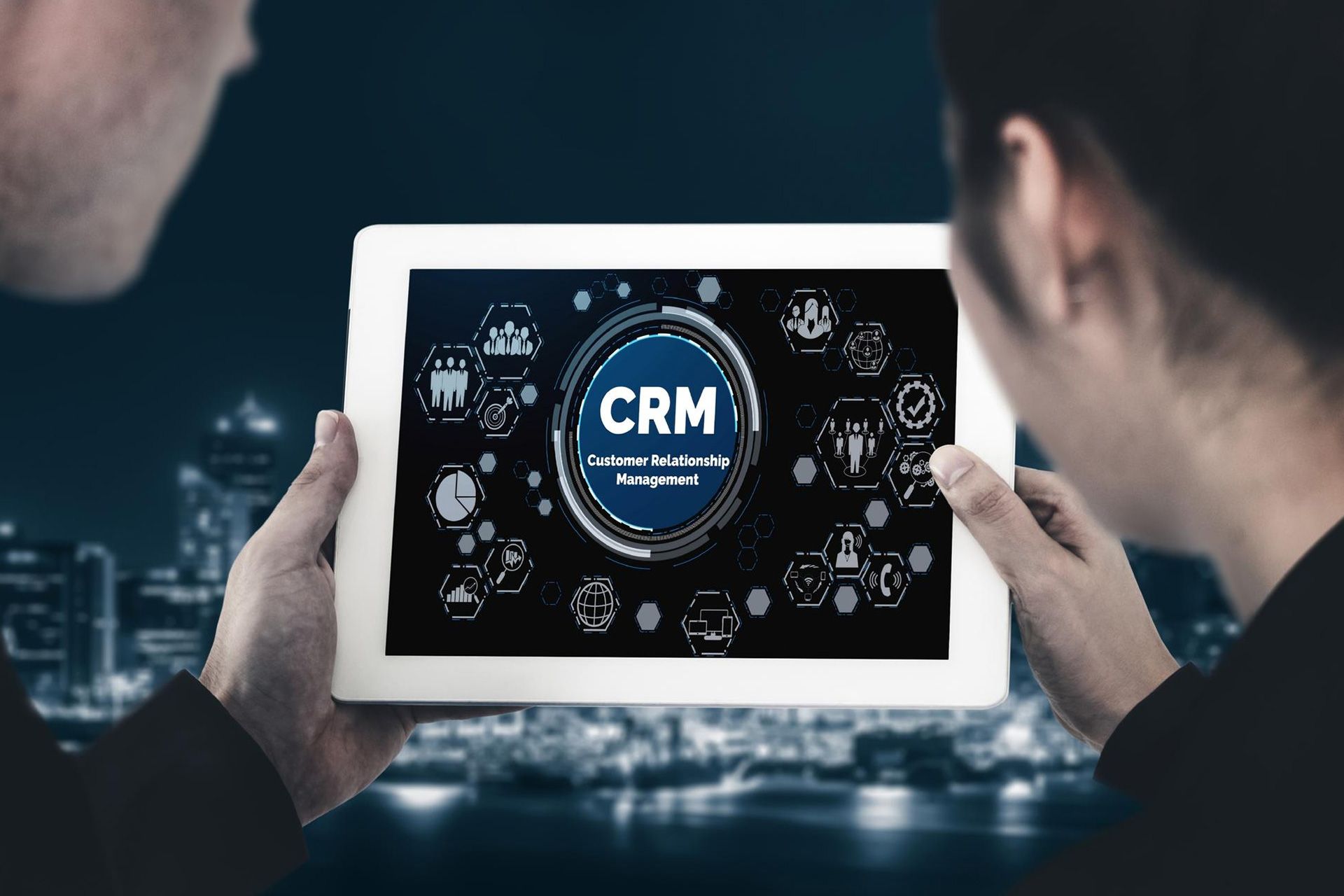
A CRM stores customer details, lead activity, conversations, and next steps in a single, organized system. The benefits of CRM are not only for large companies. Small businesses can use a CRM to save time, improve service, and grow with better control.
What a CRM Does for a Small Business
A CRM stores customer and lead information in one place. This can include names, phone numbers, emails, past messages, appointments, tasks, sales stages, and notes.
Instead of guessing who needs a reply or which lead is ready to book, your team can open the CRM and see the full picture. One of the main advantages of customer relationship management is that it turns scattered information into a clear customer history.
Let’s see all the benefits of CRM for a small business.
1. Better Lead Tracking
Small businesses lose leads when follow-ups are missed. A person may call, fill out a form, or send a message, but if no one responds quickly, they may choose another company.
A CRM helps you track every lead from first contact to final decision. You can see where each lead came from, what they asked about, and what action should happen next. This is one of the most practical benefits of CRM because it helps teams stay focused on real opportunities.
2. Faster Follow Ups
Speed matters. Customers expect quick answers, especially when they compare service providers. A CRM can support reminders, task alerts, appointment confirmations, and message history.
This does not make your communication cold. It helps your team send the right message at the right time. The advantages of customer relationship management are clear when your team no longer has to rely on memory during a busy day.
3. Improved Customer Service
Customer service gets better when your team has the right information. Without a CRM, a customer may need to explain the same issue more than once. That creates frustration.
With a CRM, your team can review previous conversations, service notes, appointments, and follow-up needs before responding. Among the benefits of CRM, better service is one of the most important because happy customers are more likely to return, refer others, and leave positive reviews.
4. Clearer Sales Pipeline Management
A sales pipeline shows where each lead stands. A lead may be new, contacted, scheduled, quoted, won, or lost. Seeing this in one view helps owners understand what is moving and what is stuck.
If many leads stop after the first call, your follow-up process may need work. If many leads wait for estimates, the quoting process may need attention. The advantages of customer relationship management include better visibility into sales activity, enabling you to improve the process with data.
5. Stronger Team Organization
As a business grows, one person may know what happened with a customer, but another team member may not. This can lead to repeated work, missed tasks, or mixed messages.
A CRM gives the team one shared place for updates. Everyone can see notes, tasks, lead status, and customer history. The benefits of CRM also include better accountability because owners can see which tasks are complete and which leads still need action.
6. Smarter Marketing Decisions
Marketing works best when you know your audience. A CRM can help you understand where leads come from, which campaigns bring strong prospects, and which customers are most engaged.
For example, website forms, social media, referrals, and ads may bring different types of leads. Another advantage of customer relationship management is improved contact segmentation, enabling you to send more targeted messages based on interests, location, or service type.
7. Less Manual Work and Better Growth Data
Small business owners wear many hats. Manual work can take time away from serving customers and planning growth.
A CRM can reduce repetitive work through reminders, automated messages, appointment scheduling, contact updates, and lead follow-up workflows. The benefits of CRM become clear when your team spends less time searching and more time helping customers.
The benefits of CRM also include better reporting on leads, sales activity, appointments, conversion rates, and customer trends. These reports help owners plan with real data instead of guesswork.
8. More Consistent Customer Experience
Customers notice when a business is organized. They notice fast replies, clear updates, helpful reminders, and smooth scheduling. They also notice when a business forgets details.
A CRM helps create a more consistent experience from the first message to the final follow-up. One of the lasting benefits of CRM is that it helps small businesses act more organized while still keeping a personal touch.
How to Choose the Right CRM?
Not every CRM is right for every business. Before choosing one, think about what your team needs most.
Look for a system that is easy to use and fits your daily workflow. Helpful features include contact management, lead tracking, automation, appointment scheduling, reporting, and communication tools. Also, make sure your team understands how to update records, assign tasks, and follow the same process every day.
Conclusion
OamiiCRM helps small businesses bring leads, follow-ups, appointments, automation, and customer communication into one simple system. We built it for teams that want better organization without adding more confusion to their day. With tools for lead nurturing, scheduling, task management, and marketing automation, OamiiCRM supports a smoother customer journey from first contact to repeat business.
If your business is ready to stay organized, improve follow-up, and respond faster, schedule a demo with OamiiCRM today.
FAQs
What is the main purpose of a CRM?
The main purpose of a CRM is to organize customer and lead information in one place. It helps businesses track conversations, follow-ups, tasks, appointments, and sales activity.
Can a small business use a CRM without a large team?
Yes. A CRM can help a solo owner or small team stay organized, respond faster, and avoid missed leads.
How does a CRM improve customer relationships?
A CRM helps your team remember customer details, past conversations, and next steps. This makes communication more personal, faster, and more helpful.
Is a CRM useful for service-based businesses?
Yes. Service-based businesses can use a CRM to manage leads, schedule appointments, send reminders, track follow-ups, and improve customer communication.
What should I look for in a CRM tool?
Look for simple use, lead tracking, contact history, automation, scheduling, reporting, and team task management.
Disclaimer: The information on this website and blog is for general informational purposes only and is not professional advice. We make no guarantees of accuracy or completeness. We disclaim all liability for errors, omissions, or reliance on this content. Always consult a qualified professional for specific guidance.
Search
Recent Posts